
Mario Luzis Gedicht Natura / Mario Luzi’s Poem Natura
Mario Luzi möchte in seiner Dichtung die unter der Alltagswelt verschütteten tieferen Strukturen der Wirklichkeit erfahrbar machen. Dabei stützt er sich auf die Dichtungstheorie von Novalis, ist aber auch vom Surrealismus und von seiner Religiosität beeinflusst.
Podcast:
Natur
Über die Erde und das funkelnde Meer
breitet sich, noch funkelnder,
ein anderes Meer,
ein Meer für die flitzende Flamme
der Spatzen, ein Meer für die Reise
des ruhevollen Mondes und den Schlaf
der weichen, weltentrückten Körper,
ein Meer für jene flüchtigen Stimmen,
die aus verborgenen Türen stürzen
in den Irrgarten unserer Träume,
jauchzend wie glückstrunkene Vögel
im schwebenden Flug
zu den seligen Inseln des Anfangs,
ein Wiegenlied singend
von purpurweichen Lagern
für die vom Schlaf Verschmähten
auf dem harten Fels des Lebens
und dem Dornenbett der Liebe.
Mario Luzi: Natura aus: La barca (Das Boot; 1935)
Ein Gedicht mit romantischen Wurzeln
Der 1914 bei Florenz geborene Mario Luzi kam dort in seiner Jugend mit einem Kreis junger Intellektueller in Kontakt, die dem „ermetismo“ (Hermetismus) nahestanden. Von diesem war auch er in seinem dichterischen Frühwerk beeinflusst.
Luzis Dichtungstheorie ist darüber hinaus allerdings stark von der deutschen Romantik, insbesondere von Novalis, geprägt. Wie dieser möchte Luzi den dynamischen Prozess des Werdens und Vergehens nicht nur in seiner Dichtung abbilden, sondern ihn unmittelbar im schöpferischen Prozess nachvollziehen. So besteht für ihn
„die größte vorstellbare schöpferische Kraft der Poesie (…) darin, vollständig in den unerschöpflichen Prozess der Schöpfung einzutreten, indem sie dessen Rhythmus der Zerstörung und des Entstehens einfängt und ihn zu ihrem eigenen Atem macht.“ [1]
Poesie als Gegengift gegen Entfremdung
Naturlyrik erschöpft sich damit bei Mario Luzi nicht in einer poetischen Beschreibung naturhafter Vorgänge und auch nicht in der Beschwörung eines dahinter verborgenen Sinns. Vielmehr möchte er „im poetischen Moment (…) die das Universum lenkenden Kräfte“ erfahren und dies auch in seiner Lyrik erfahrbar machen [2].
Ein so verstandener Hermetismus verliert demzufolge auch seinen weltabgewandten Charakter. Luzis Poesie ist vielmehr mit dem Anspruch verbunden, der von der Wirklichkeit des Lebens entfremdeten Welt „das Wirkliche, das absolut Wirkliche“ gegenüberzustellen – das „Wirkliche, das aus den Tiefen der Wirklichkeit der Welt“ an die Oberfläche dringt und in der Poesie seinen adäquaten Ausdruck findet [3].
Dies erinnert an die Naturphilosophie Schellings und an die romantische Dichtung, die in der Poesie ebenfalls den Ausdruck der ursprünglichen Wahrheit des Lebens sah. Luzi bezieht sich in seinen Ausführungen denn auch explizit auf Novalis. So zitiert er diesen in dem Kontext mit den Worten:
„Die Poesie ist das Reale, das wahrhaft absolut Reale.“ [4]
Surrealistische Elemente in dem Gedicht Natura
Während Luzi sich in seiner Poetologie inhaltlich auf die Romantik bezieht, sind seine Gedichte in formaler Hinsicht eher vom Surrealismus beeinflusst. Die Brücke zur Romantik stellt dabei die von André Breton propagierte „Surrealität“ dar, die diesem zufolge „Traum und Wirklichkeit in einer Art absoluter Realität“ aufgehen lassen, also ebenfalls die konventionellen Wahrnehmungs- und Deutungsmuster durchbrechen soll [5].
In Luzis Gedicht Natura wird die Beheimatung in einer so verstandenen Surrealität in dreierlei Hinsicht deutlich:
- durch die explizite Bezugnahme auf die Zustände von Traum, Schlaf und Halbschlaf und die aus ihnen resultierende veränderte Wirklichkeitswahrnehmung;
- durch die übergangslose Durchmischung der einzelnen Sphären: Irdisches und himmlisches Meer, Traum und Wirklichkeit, Diesseits und Jenseits verschwimmen miteinander und erschaffen so eben jene Zwischenwelt, in der Alltags- und Traumwahrnehmung einander durchdringen;
- durch eine Bildstruktur, in der das metaphorische Sprechen nicht mehr nur zwei Bereiche miteinander verbindet, sondern sie zu einer neuen Realität verschmilzt (wie in dem Bild von der „flitzenden Flamme der Spatzen“).
Auf diese Weise bleibt auch offen, ob die geheimnisvollen, Trost spendenden Stimmen, von denen in dem Gedicht die Rede ist, wirklich existieren oder ob sie nur der Welt des Traums und der Phantasie entspringen. In dem an Novalis geschulten geistigen Kosmos Mario Luzis spielt dies allerdings auch keine Rolle, da der Traum hier nicht weniger real ist als das, was wir im Alltag als „Wirklichkeit“ bezeichnen.
Bedeutung der Religiosität für die Lyrik Mario Luzis
Eine Besonderheit, die bei der Beschäftigung mit Mario Luzi mitbedacht werden sollte, ist schließlich noch dessen Verankerung im katholischen Glauben. Wenn in dem Gedicht Natura von dem „leuchtenden Meer“ des Himmels die Rede ist, so kann dies daher durchaus im religiösen Sinn verstanden werden.
Dies muss allerdings nicht notwendigerweise mit christlichen Deutungsmustern einhergehen. Das Gedicht kann vielmehr allgemein auf die Erfahrung der Transzendenz bezogen werden, zumal Luzi selbst offen war für andere Religionen und sich in seinem späteren Leben auch mit fernöstlichem Gedankengut beschäftigt hat.
Auch musste der katholische Glaube im faschistischen Italien keineswegs mit Traditionalismus oder gar einer affirmativen Haltung gegenüber den Machthabenden verbunden sein. Bei Luzi war jedenfalls eher das Gegenteil der Fall. Hierauf deutet insbesondere die Tatsache hin, dass er seine Abschlussarbeit an der Universität Florenz über den französischen Schriftsteller François Mauriac geschrieben hat.
Mauriac hat gerade aus der katholischen Soziallehre eine konsequent antifaschistische Haltung abgeleitet, die ihn sowohl den spanischen Franquismus als auch den Staat Mussolinis öffentlich kritisieren ließ. In seinen Romanen hat er zudem deutlich gemacht, dass eine lebendige Liebe das Gegenteil dessen ist, was der orthodoxe Katholizismus mit seinen Ge- und Verbotstafeln – die alle Gefühle in einer Beziehung ersticken – bewirkt.
So sind in der Lyrik Mario Luzis zwar auch die Abgründe des menschlichen Daseins präsent. Gleichzeitig scheint in seinen Gedichten aber immer wieder der Trost auf, der sich aus der Erfahrung der Transzendenz ergeben kann – unabhängig davon, ob es sich dabei um eine im engeren Sinne religiöse Erfahrung oder schlicht um einen aus der Zeit gefallenen Moment handelt, in dem einen blitzartig das Gefühl der Verbundenheit mit dem ganzen Kosmos durchströmt.
Zur Biographie von Mario Luzi
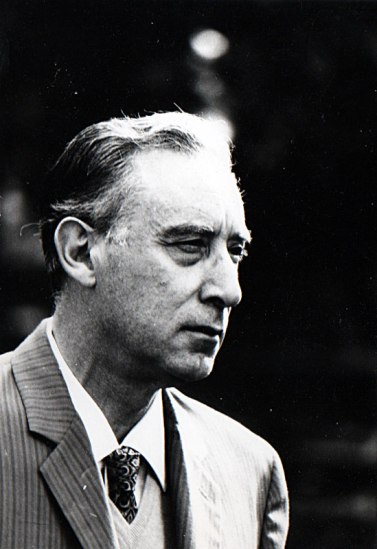
1914 als Sohn eines Eisenbahnbediensteten in der Nähe von Florenz geboren, verbrachte Mario Luzi in der Stadt auch den größten Teil seines Lebens. Dort erwarb er seinen Schulabschluss und besuchte die Universität, wo er sein Französischstudium mit einer Arbeit über François Mauriac abschloss.
In Florenz kam Luzi auch mit den literarischen Kreisen seiner Zeit in Kontakt und wurde zu einem bedeutenden Vertreter des Florentiner Hermetismus. Als mit der französischen Literatur vertrauter Dichter orientierte er sich dabei auch an dem ebenfalls für seine hermetische Dichtung bekannten Stéphane Mallarmé (1842 – 1898), zu dem er später eine eigene Studie veröffentlicht hat (Studio su Mallarmé, 1952).
Weitere Einflussfaktoren für Luzis Dichtung, die sich aus seiner Beschäftigung mit der französischen Literatur ergeben, sind der sozialethisch fundierte Katholizismus François Mauriacs und die Lyrik des französischen Surrealismus.
Seit 1955 war Luzi in Florenz als Professor für französische Literatur tätig, nachdem er im Anschluss an sein Studium zunächst in verschiedenen Städten als Gymnasiallehrer gearbeitet hatte. Seinen ersten Gedichtband (La barca / Das Boot) veröffentlichte er bereits 1935, etliche weitere Bände folgten ab 1940. Seit den späten 1970er Jahren galt er als Anwärter auf den Literaturnobelpreis, den er allerdings nie erhalten hat.
Der 2005 verstorbene Luzi hat auch Theaterstücke geschrieben und sich zudem als Filmkritiker einen Namen gemacht. Sein Interesse galt darüber hinaus fernöstlichem Gedankengut und asiatischen Meditationspraktiken.
Nachweise
[1] Luzi, Mario: La creazione poetica? In: Vicissitudine e forma, S. 43. Mailand 1974: Rizzoli; zu Luzis Dichtungstheorie vgl. auch Rabaiolo, Martino: La teoria poetica di Mario Luzi. In: Enthymema XII/2015, S. 303 – 317.
[2] Luzi, La creazione poetica (s.o.), S. 34 f.
[3] Ebd.
[4] Novalis, zit. nach ebd.; vgl. hierzu Menicacci, Marco: Il reale assoluto. Luzi lettore di Novalis. Nuoviargomenti.it, 3. März 2015.
[5] Breton, André: Erstes Manifest des Surrealismus (1924). In: Ders.: Die Manifeste des Surrealismus (1962), S. 9 – 43 (hier S. 18). Reinbek 1986: Rowohlt; französisches Original (Manifeste du surrálisme) als PDF verfügbar auf der Online-Plattform Moodle (edisciplinas.usp.br).
English Version
Poetry as „the Absolutely Real“
Mario Luzi’s Poem Natura
In his poetry, Mario Luzi wants to make tangible the deeper structures of reality buried beneath the everyday world. For this, he draws on the poetry theory of Novalis, but is also influenced by surrealism and by his religiosity.
Nature
Over the earth and the sparkling sea
spreads, even more sparkling,
another sea,
a sea for the flitting flame
of the sparrows, a sea for the voyage
of the tranquil moon and the sleep
of the translucent bodies,
enraptured from the world,
a sea for those fleeting voices
that tumble out of hidden doors
into the maze of our dreams,
rejoicing like birds drunken with bliss
in hovering flight
to the beatific islands of the beginning,
singing a lullaby
of crimson-soft sanctuaries
for those spurned by sleep
on the hard rock of life
and the thorny bed of love.
Mario Luzi: Natura from: La barca (The Boat; 1935)
A Poem with Roots in Romanticism
Mario Luzi, born near Florence in 1914, came into contact in his youth with a circle of young intellectuals who had a strong affinity with „ermetismo“ (hermetism). This also inspired his early poetic work.
Beyond this, Luzi’s theory of poetry is influenced by German Romanticism, notably by Novalis. Like the latter, Luzi not only wanted to depict the dynamic process of growth and decay in his poetry, but to make it directly tangible in the creative process. Thus for him
„the greatest imaginable creative power of poetry (…) is to enter fully into the inexhaustible process of creation by following the rhythm of birth and demise and making it its own breath.“ [1]
Poetry as an Antidote to Alienation
For Mario Luzi, nature poetry thus does not only involve a poetic description of natural processes or the evocation of a meaning hidden behind them. Rather, he wants to experience „in the poetic moment (…) the forces guiding the universe“ and make this tangible in his poetry [2].
Understood in this way, hermetic poetry loses its unworldly character. Instead, Luzi’s poetry claims to confront the world, alienated from the reality of life, with „the real, the absolutely real“ – the „real that rises from the depths of the world’s reality“ to the surface and finds its adequate expression in poetry [3].
This is reminiscent of Schelling’s philosophy of nature and of Romantic literary theory, which also saw in poetry the expression of the primordial truth of life. Consequently, Luzi explicitly refers to Novalis, whom he quotes with the words:
„Poetry is the real, the truly absolute real.“ [4]
Surrealist Elements in the Poem Natura
While in terms of content, Luzi refers to Romanticism in his poetology, his poems are more influenced by Surrealism in terms of form. The bridge to Romanticism here is the „surreality“ proclaimed by André Breton, which, according to the latter, is supposed to merge „dream and reality into a kind of absolute reality“ [5]. Thus, as in Romantic poetry, conventional patterns of perception and interpretation are to be overcome here.
In Luzi’s poem Natura, the rootedness in such a „surreality“ is evident in three respects:
- through the explicit reference to the states of dream, sleep and half-sleep and the altered perception of reality resulting from them;
- through the seamless intermingling of the various spheres: Earthly and heavenly sea, dream and reality, this world and the hereafter blur together, creating an in-between world in which everyday and dream perception interpenetrate;
- through a figurative structure in which metaphorical speech no longer merely connects two spheres, but merges them into a new reality (as in the image of the „flitting flame of the sparrows“).
In this way, it also remains undecided whether the mysterious, comforting voices mentioned in the poem really exist or whether they only arise from the world of dreams and fantasy. However, in Mario Luzi’s spiritual cosmos, rooted in the ideas Novalis, this does not matter, since the dream is no less real here than what we call „reality“ in everyday life.
The Importance of Religion for Mario Luzi’s Poetry
Another aspect that should be taken into account when studying the work of Mario Luzi is his Catholic faith. When the poem Natura speaks of the „sparkling sea“ of the sky, this can therefore certainly be understood in a religious sense.
However, such an interpretation does not necessarily have to be associated with Christian thought patterns. Rather, the poem can be generally related to the experience of transcendence, especially since Luzi himself was open to other religions and in his later life also dealt with Far Eastern philosophy.
Moreover, the Catholic faith in fascist Italy by no means had to go hand in hand with traditionalism or even an affirmative attitude towards those in power. In Luzi’s case, at least, it was rather the other way round. This is notably indicated by the fact that he wrote his thesis at the University of Florence on the French writer François Mauriac.
Mauriac derived a consistently anti-fascist stance precisely from Catholic social doctrine, which made him publicly criticise both Spanish Francoism and Mussolini’s regime. Furthermore, he left no doubt in his novels that a vibrant love is the opposite of what orthodox Catholicism brings about with its proscriptions and prohibitions – which suffocate all feelings in a partnership.
Thus, on the one hand, the abysses of human existence are quite present in Mario Luzi’s poetry. On the other hand, however, his poetry is also permeated by the consolation that can arise from the experience of transcendence – regardless of whether we see it as a religious experience in the narrower sense or simply a moment that has fallen out of time, a moment in which, like a sudden flash, a sense of connection with the entire cosmos flows through our veins.
Biography of Mario Luzi
Born in 1914 as the son of a railway employee near Florence, Mario Luzi spent most of his life in this city. He graduated from school there and attended university, where he completed his French studies with a thesis on François Mauriac.
In Florence, Luzi also came into contact with the literary circles of his time and became an important representative of Florentine Hermetism. As a poet familiar with French literature, he was influenced by Stéphane Mallarmé (1842 – 1898), who was likewise known for his hermetic poetry and on whom Luzi later published a separate study (Studio su Mallarmé, 1952).
Other factors influencing Luzi’s poetry, which result from his involvement with French literature, are the social-ethically based Catholicism of François Mauriac and the poetry of French Surrealism.
In 1955, Luzi became a professor of French literature in Florence, after having worked as a secondary school teacher in various cities following his graduation. He published his first volume of poetry (La barca / The Boat) as early as 1935, followed by several more volumes from 1940 onwards. Since the late 1970s, he was considered a candidate for the Nobel Prize for Literature – which he never received, though.
Luzi, who died in 2005, also wrote plays and made a name for himself as a film critic. Furthermore, he was interested in Far Eastern philosophy and Asian meditation practices.
References
[1] Luzi, Mario: La creazione poetica? In: Vicissitudine e forma, p. 43. Milan 1974: Rizzoli; for Luzi’s theory of poetry see also Rabaiolo, Martino: La teoria poetica di Mario Luzi. In: Enthymema XII/2015, p. 303 – 317.
[2] Luzi, La creazione poetica (see above), p. 34 f.
[3] Ibid.
[4] Novalis, quoted from ibid.; cf. Menicacci, Marco: Il reale assoluto. Luzi lettore di Novalis. Nuoviargomenti.it, March 3, 2015.
[5] Breton, André: Erstes Manifest des Surrealismus (First Manifesto of Surrealism, 1924). In: Breton: Die Manifeste des Surrealismus (Manifestoes of Surrealism 1962), p. 9 – 43 (here p. 18). Reinbek 1986: Rowohlt; French original (Manifeste du surrálisme) available as PDF on the online platform Moodle (edisciplinas.usp.br); English translation by Richard Seaver and Helen R. Lane:Breton, André: Manifestoes of Surrealism. Ann Arbor Paperbacks / University of Michigan Press (PDF); Monoskop.org; first manifesto on page 1 – 49, quotation p. 14.
Bilder / Images: Johannes Plenio: Milchstraße über dem Ozean /Milky Way over the ocean (Pixabay); Mario Luzi in den 1970er Jahren (Wikimedia commons; Fotograf unbekannt); Mario Luzi in the 1970s (Wikimedia Commons; photographer unknown)
 LiteraturPlanet